The post Which Dog Breed is Right for You? appeared first on Pet Sitting North Phoenix.
]]>Some breeds were mixed in ways that kept the characteristics, yet caused the dogs to be larger or smaller than the original breed. With so many choices, you have to think of each dog breed as having specific characteristics, temperament, size, function and abilities.
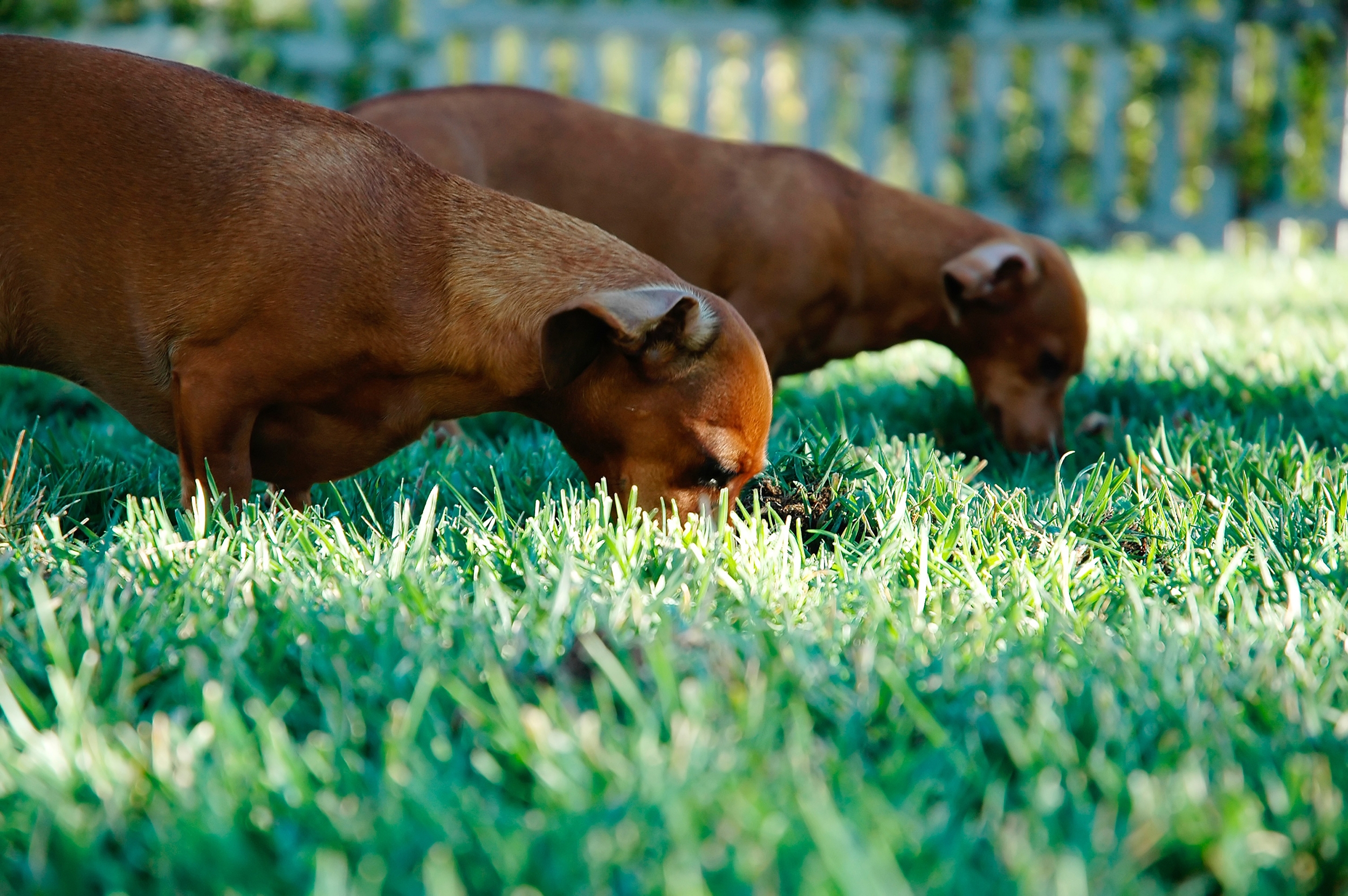
Each dog within that breed will share some common elements. For example, some dogs who were hunting dogs in times past have been bred differently to reduce the hunting instinct and make the dog more suitable as the pet for a family whose only “hunting” is stopping at grocery store or fast food to bring home dinner.
Major categories of dog breeds include: toys, companions, guards, working, spaniels, terriers, sighthound, scent hounds, spitz and herding. This doesn’t include the famous “Heinz 57” – or pound mutt, whose exact heritage is unknown.
Each of the breeds is known for its ability to perform certain jobs. Historically, all dogs were working dogs – helping with sheep herding, cattle tending, fetching game, guarding property or tracking escapees.
House pets were not common as they are today. Each dog breed still carries the genetic code for its original type of work. You need to know how that dog is genetically programmed before you bring him home.
The dog that’s naturally a watchdog won’t be the cuddly playmate for your small children. The greyhound, particularly the rescued greyhound, is gentle and quiet, but they must have plenty of outdoor time to run. As a dog that can gain speeds of up to 45 mph, the greyhound is not a dog for couch potatoes.
If you want a medium to large dog that will be easily trained and protective over your children, then choose a pastoral or herding dog like the Old English sheepdog, Collie or Welsh Corgi. The instincts they have for keeping sheep in the pasture adapt to keeping your children inside the backyard while keeping intruders outside.
When having a dog means a smaller pet that’s purely for amusement with little expectation, then look at the toy dog breed. Among this group, you find Chihuahua, Poodle, Manchester Terrier, Pug, Pekingese, Shih Tzu and King Charles Spaniel. Don’t expect any work from this group. Toy dogs are masterful at finding ways for you to work for them.
The hunting breed has a proud tradition as the faithful companion and partner to hunters. These dogs include the Golden Retriever, Labrador Retriever, English Springer Spaniel, English Setter, Irish Setter and Cocker Spaniel. Even if you don’t hunt, give these dogs the kind of open field exercise that makes them feel useful in the way that’s part of their heritage.
Some breeds require space, while others need primping for show that rivals what you see among fashion models. Perhaps the easiest breed to bring home and love is the “pound mutt.” In all shapes and sizes, these dogs have endured hardships that landed them in the shelter, when all they want is a family to love. Bring one home and you’ll have a friend for life.
The post Which Dog Breed is Right for You? appeared first on Pet Sitting North Phoenix.
]]>The post Picking a Good Pet Sitter appeared first on Pet Sitting North Phoenix.
]]>Email:[email protected]
Picking a good pet sitter is important; you want someone who is reliable and good with animals, especially your animals. You want to be able to trust that they will do what they say and when they say they will do it.
Call 623-377-7735
Perhaps you have the name of a pet sitter. The first thing you need to do is invite them over for an interview. You wouldn’t hire someone at your place of business without doing a thorough interview first, would you? The same applies for hiring a pet sitter.
The interview helps you to figure out whether you and the pet sitter are compatible. If you are not comfortable with each other it may hinder open communication. Being able to communicate is very important for your pet’s sake.
Standard Price North Phoenix Pet Sitting Service Area.

Approximately Northern Ave. on the south, Pinnacle Peak Road on the north, 99th Ave on the west and 7th St on the east.
An interview will provide you with a clear look at how the pet sitter interacts with your pets. Do they genuinely like your pets and do your pets like them? If they ignore your dog the whole time they are talking with you, is that a good sign? Is your normally friendly dog acting reserved or aggressive around the pet sitter?
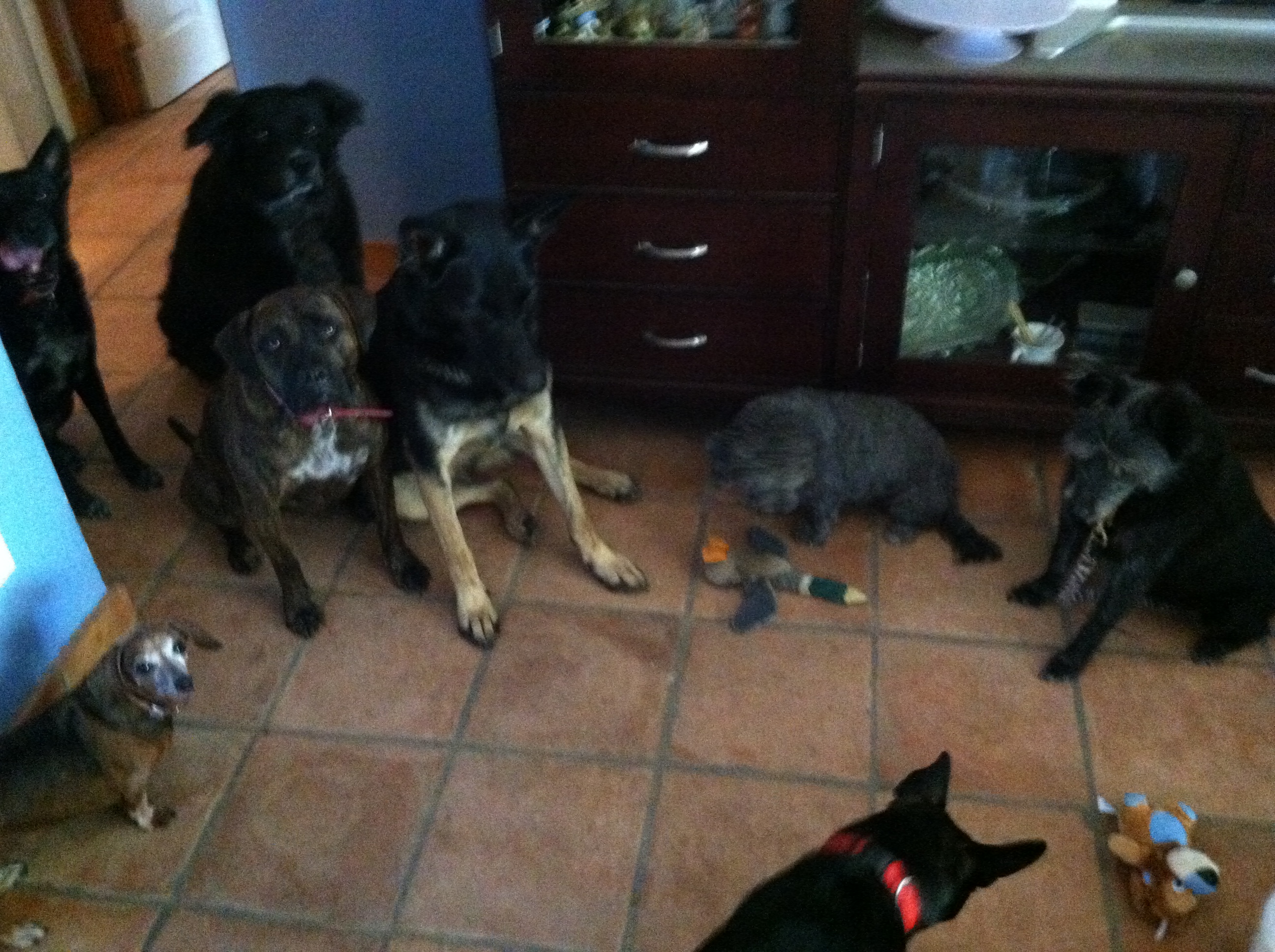
When interviewing the pet sitter, you should cover these important areas:
1. Take a look at their experience and background. How long have they been a pet sitter and have they ever taken care of a cat/rabbit/lizard/bird like yours? Do they have references that they will happily share with you? Give the references a call and ask about the pet sitter’s reliability and trustworthiness.
2. Find out how they handle emergencies. Do they have time built into their schedule so they can stay longer with a sick pet? Do they know where your vet’s office is and can they take your pet there in an emergency? Do they have back ups to cover for them in case of personal emergencies?
3. Find out how busy their schedule is. Pet sitting is a job; don’t forget that, but do they pack their day so full of pet sits that they end up shortening their stays just to get to all of them? Or are they so busy that your scheduled visit sometime between 11:00 am and 1:30 pm becomes a 10:30 am or 2:00 pm visit? Also, are they so busy that they’re heading for burnout? Pet sitters do tend to take on too much and they can get burned out and quit.
Interviewing a pet sitter before you hire them is an important step and one you won’t regret taking the time to do. The goal is to find someone you and your pets are happy with as it could be the start of a great long-term relationship for all of you.
The post Picking a Good Pet Sitter appeared first on Pet Sitting North Phoenix.
]]>